


Complete insurance coverage and a commitment to professional craftsmanship and affordability. We don’t replace the window if we can repair it. Apex Window Werks offers fast, reliable, high-quality, and professional service backed by a satisfaction guarantee.


Top Rated Window Repair Service in Chicago, IL
Happy Clients
11 283
Years in Business
15+
Jobs Completed
14 428
Average Ratings
4.8

Our Window
Repair Services
At Apex Windows Werks, we specialize in repairing all types of windows – big or small, interior or exterior. We’ll get your broken windows fixed quickly and efficiently.

Window Repair
Whether replacing a broken window or repairing a damaged one, our team's skill and know-how can tackle any challenge, no matter how complex. With years of experience and many successful projects, we're a reliable partner you can count on for efficiency, professional craftsmanship, and exceptional customer service.

As part of our restoration services, we can replicate and refinish any missing sashes, window units, and millwork or replace or repair any damaged pieces to restore the original look and functionality of old or deteriorated windows.

Window Maintenance
Maximize your energy savings and extend the life of your windows with regular window maintenance! Our experts inspect frames, sills, and tracks to guarantee their optimum condition. We also check for drafts and leaks and apply weather stripping and caulking to keep your windows at their best.

Glass Replacement
Do you have shattered, cracked, or broken glass? Our glass replacement services can fix or upgrade single, double, or triple-pane glass on residential and commercial windows and doors. We also have a wide selection of shatterproof and toughened glass for added strength.
Window Installation
& Replacement
Our mission is to improve the quality of your property with superior products installed by true professionals. Whether you’re repairing windows or need glass replacement, our quality work never wavers from energy efficiency to curb appeal. We do everything from glass replacement to frame refurbishment, hardware repairs, and more.
Learn more About Window Replacement Service

tilt & turns
Tills and turns windows have two sashes – each sash can be opened independently of the other.

Double Hung Window
A double-hung window has two sashes (sections) that slide vertically up and down, allowing for better ventilation and easier cleaning.

Picture Window
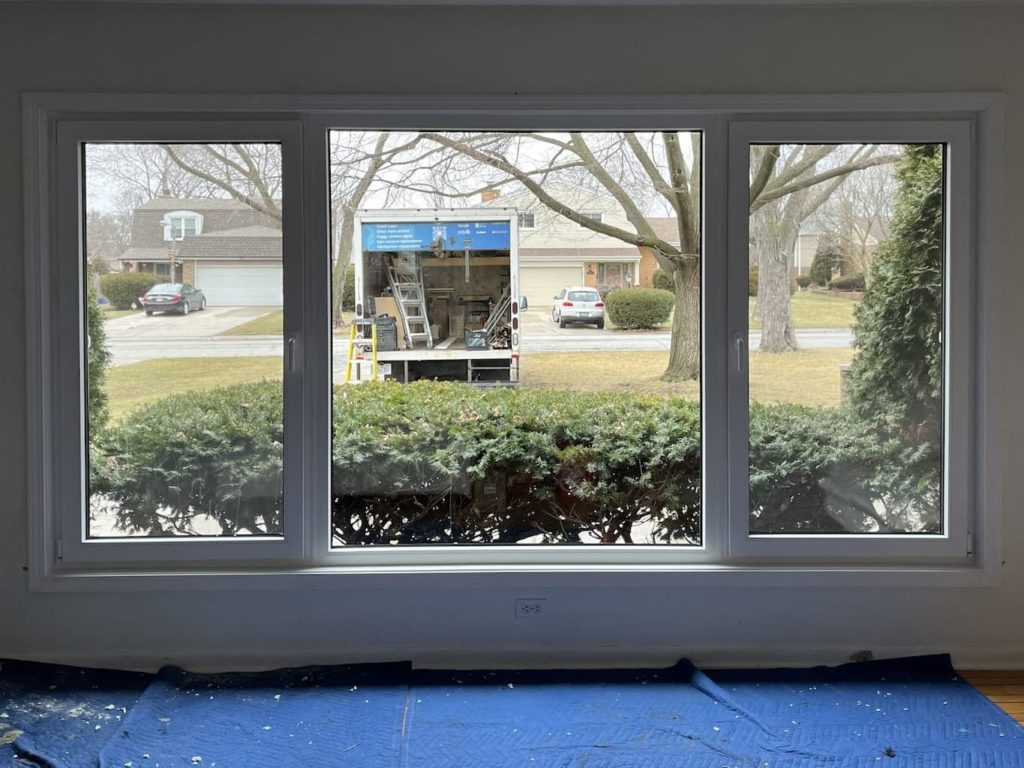
A picture window is a window that can come in a number of different shapes and sizes and typically does not open but brings in a lot of natural light.

1700+
Client Reviews
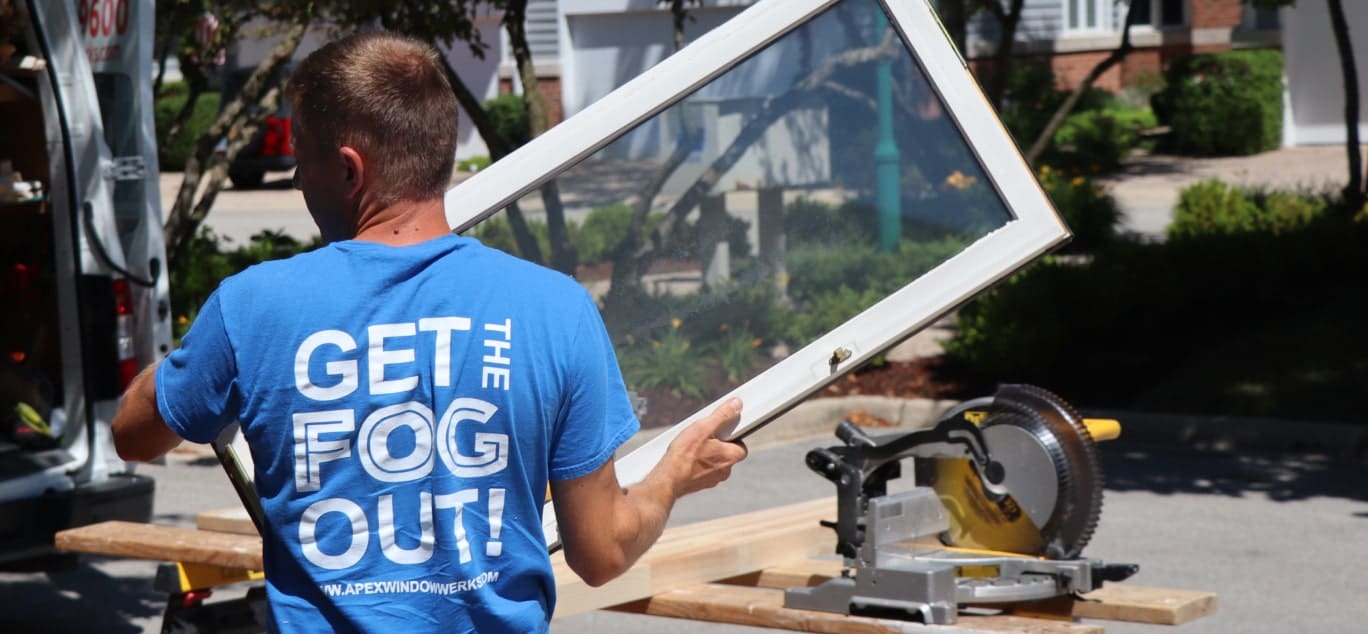
Schedule a Virtual Estimate
Our virtual estimates offer a more efficient, cost-effective, and accurate way to estimate projects.
- Convenient: Virtual appointments are shorter, easier, and don’t require you to stay home for an extended period of time.
- Time-saving: You’ll receive a free estimate within 24 hours – the fastest turnaround on window repair and replacement among our competitors.
Window Brands We Repair
View All Brands




We Can Solve Your
Window Problems


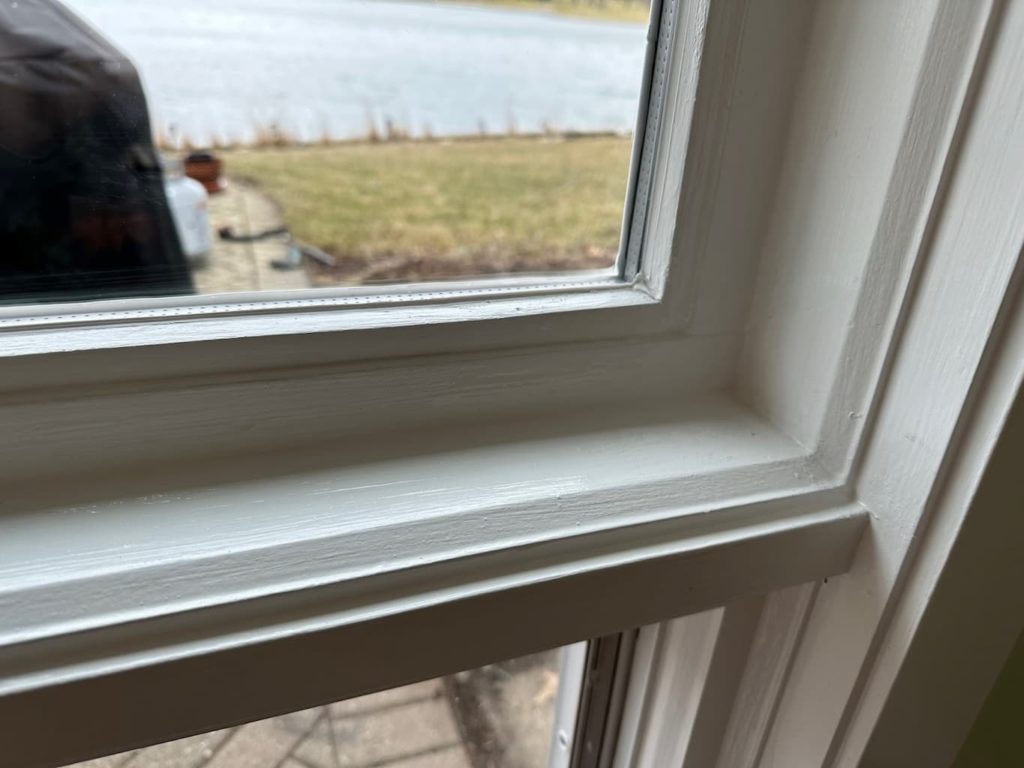
Broken Seal Repair

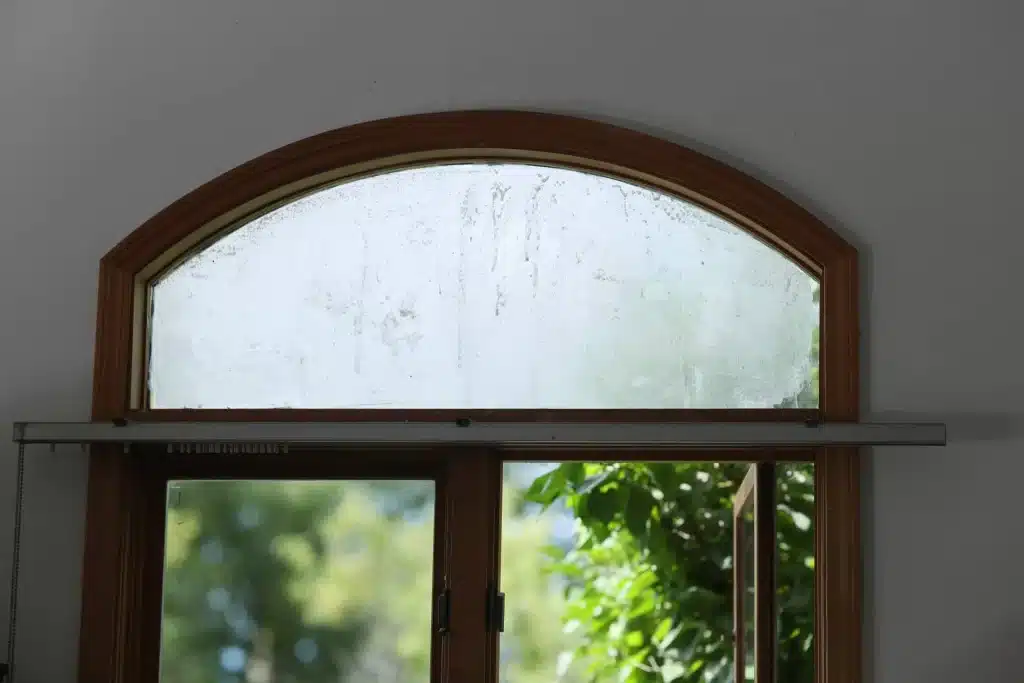
Mold Between Window Panels


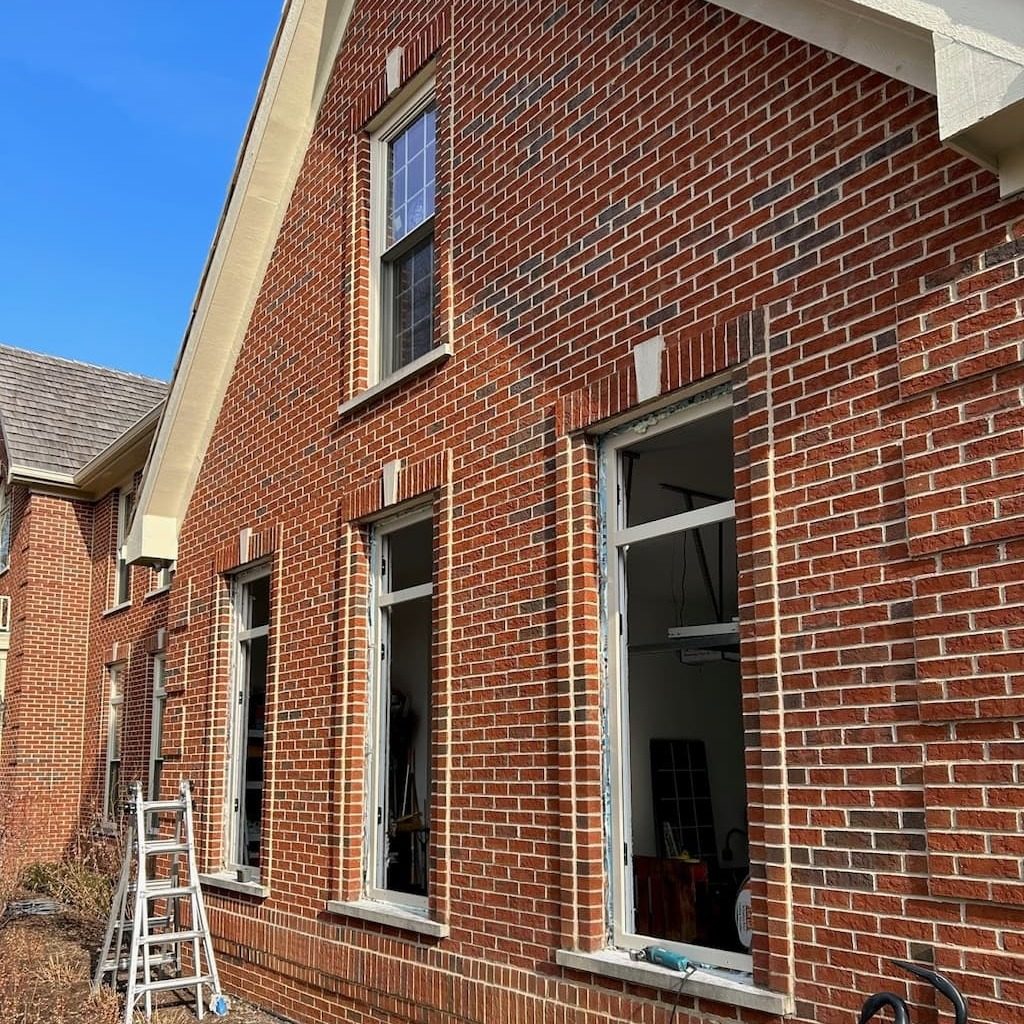
We offer professional services that deal with common residential window repair problems, such as broken glass, cracked frames, and stuck windows. Whether you need a few minor repairs or a replacement of an entire window to get everything into working order – our experts will ensure your windows provide adequate insulation, security, and ventilation.


Window Repair
Cases



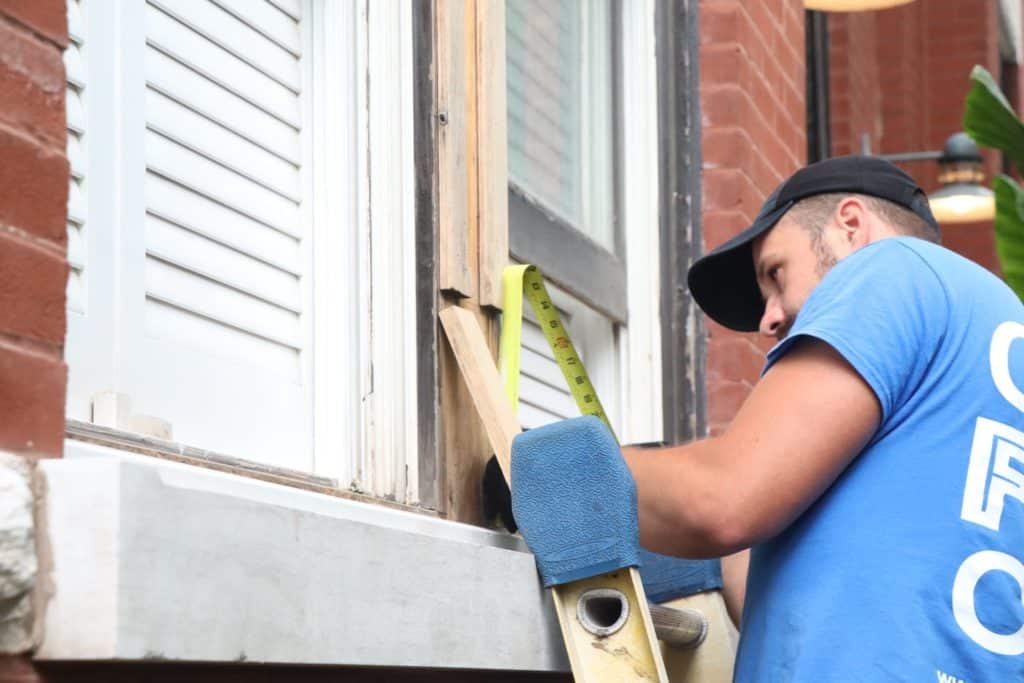


Looking for a Window Repair in Chicago?
Our straightforward processes reduce the stress and hassle of fixing broken doors and windows. We guarantee high-quality work and excellent customer service from the first call to final approval.
- request a quote
- set a schedule
- work in progress
- approval of work
About Apex Window Werks
At Apex, our team has all the necessary tools and knowledge to ensure that your frames, locks, glass, and insulation are in top condition. We have a long history of successful projects, having fixed foggy windows, broken seals, and more for thousands of homes and businesses. Our services provide a cost-effective solution.

Our Experienced Window Installers Team
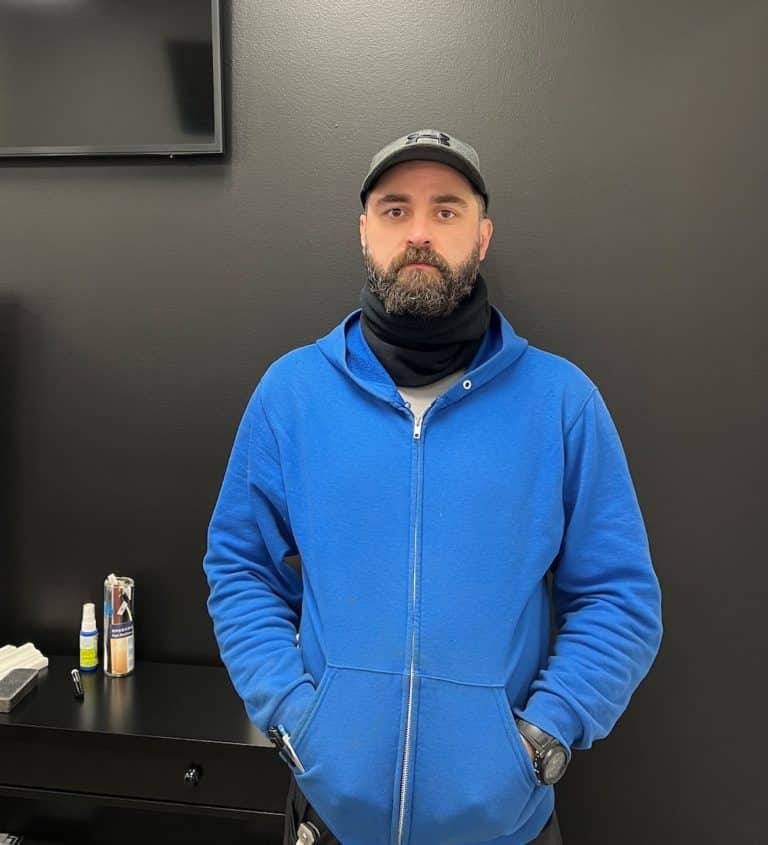
Stanislav
WINDOW REPAIR
Originally from Ukraine, Stanislav has dedicated his professional career to glazier management and quality control. With 6 years of experience, he is highly detail-oriented and reliable, ensuring consistent results with every job.

Alan
WINDOW REPAIR
Alan is our reliable and dependable sales manager from Azerbaijan. He is highly responsible and takes his duties very seriously. He has proven to be an excellent manager and is highly valued for his commitment.

Dmitry
WINDOW REPAIR
Dmitry is a carpenter from Belarus who specializes in custom woodwork repairs. He is a professional, neat, and hardworking team member who takes great pride in his work.

Marian
WINDOW REPAIR
From Ukraine. More than 5 years of experience in all our areas of repairs. Persistent and driven person.

Sergey
WINDOW REPAIR
Sergey is a window specialist from Belarus with 15 years of experience in the industry, from manufacturing to installation. His meticulous work ensures quality and reliability on every project.
Door Replacement
& Installation
We have tried, tested, and perfected new and innovative door repair and replacement methods, combining modern techniques with good old-fashioned knowledge and craftsmanship.
About Door Replacement Service

French Door
Besides glass repair and replacement, we also fix broken hinges, damaged locks, worn weather stripping, and faulty latching on French doors.

Patio Sliding Door
We fix door tracks, replace damaged rollers, lubricate door mechanisms, and adjust door alignment. We can also replace sliding doors and their components if necessary.


